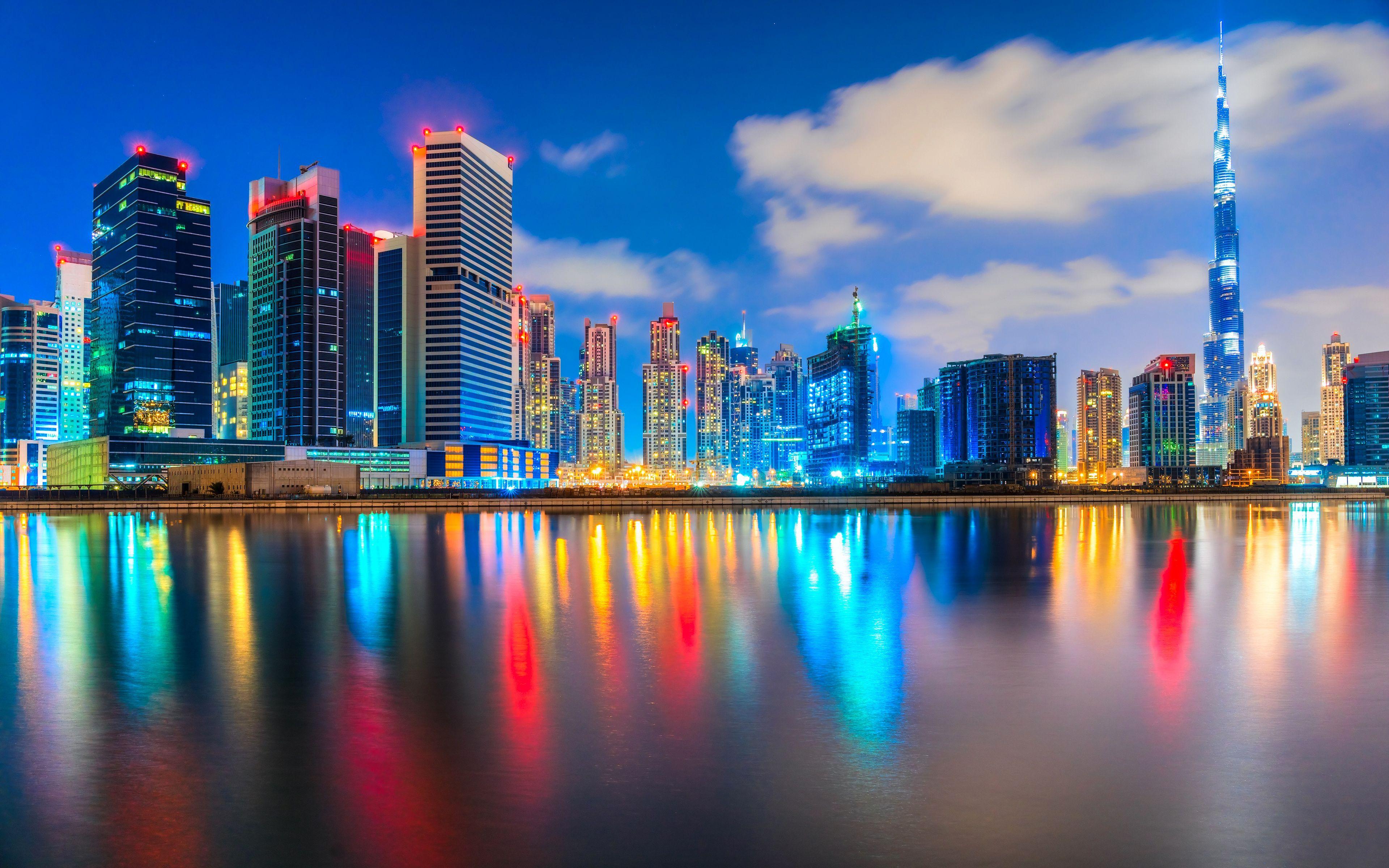
Why International Investors Are Choosing Dubai Over London and Singapore in 2025
Discover why global capital is shifting toward Dubai in 2025. We analyze tax advantages, rental yields, and market stability compared to London and Singapore.
As of August 2026, the global real estate landscape has undergone a significant transformation. For decades, London and Singapore served as the undisputed havens for international wealth. However, data from 2025 and throughout the current year indicates a decisive pivot in capital allocation toward Dubai. Investors are no longer merely looking for prestige; they are prioritizing yield, tax efficiency, and long-term residency security. Why is Dubai outpacing these traditional powerhouses? The answer lies in a convergence of fiscal policy, infrastructural growth, and market transparency. In London, the real estate market has faced headwinds characterized by high stamp duty rates and a complex legislative environment regarding leasehold reforms. Conversely, Singapore has implemented stringent cooling measures, including elevated Additional Buyer Stamp Duty (ABSD) rates, to curb excessive price growth. Dubai, by comparison, maintains a zero-percent personal income tax structure and a simplified acquisition process, making it an attractive destination for high-net-worth individuals. One of the primary drivers of this trend is the disparity in rental yields. While prime London property yields often hover between 3% and 4%, and Singaporean residential yields remain similarly compressed due to high entry valuations, Dubai consistently delivers gross rental yields ranging from 6% to 9% in popular districts like Dubai Marina, Downtown, and the emerging waterfront projects. This return profile is supported by a robust influx of global professionals and a demographic shift toward long-term residency. The 2025 market data highlighted a record number of Golden Visa issuances, which has successfully transitioned Dubai from a transitory 'stop-over' market to a 'stay-and-invest' market. At RE/MAX Zam, our internal analysis suggests that investors are increasingly utilizing these residency pathways to hedge against economic volatility in their home markets. Furthermore, Dubai’s infrastructure spending, specifically regarding the Dubai 2040 Urban Master Plan, has provided investors with a clear roadmap of growth. Unlike the constrained land supply of London or Singapore, Dubai’s phased development ensures that supply is managed to match real demand, reducing the risk of the speculative bubbles that have plagued other global cities. Transparency has also reached an all-time high. The integration of the Dubai Land Department (DLD) digital platforms ensures that property transactions are secure, data-backed, and accessible to international buyers. This institutional maturity has attracted significant sovereign wealth and institutional funds, further stabilizing the market. As we look at the remainder of 2026, the preference for Dubai is not a temporary trend but a strategic repositioning of global assets. Investors are voting with their capital, favoring a jurisdiction that actively encourages foreign ownership and wealth preservation. For those evaluating their portfolio exposure, understanding the nuances of Dubai’s sub-markets is essential. Whether you are looking for long-term capital appreciation or immediate cash flow, the market offers a diverse range of opportunities. As experts in the local landscape, the team at RE/MAX Zam provides data-backed insights to help you navigate these investment opportunities with precision. Choosing the right asset is more important than ever in this competitive environment. If you are an international investor seeking professional guidance on how to optimize your portfolio within the Dubai property market, contact RE/MAX Zam today for a personalized investment consultation.
Ready to Invest in Dubai?
Our expert advisors are ready to help you find the right property and maximise your returns.